Osteopathy During Pregnancy and After Birth: Supporting Your Body Through Every Stage – Rugby Osteopaths
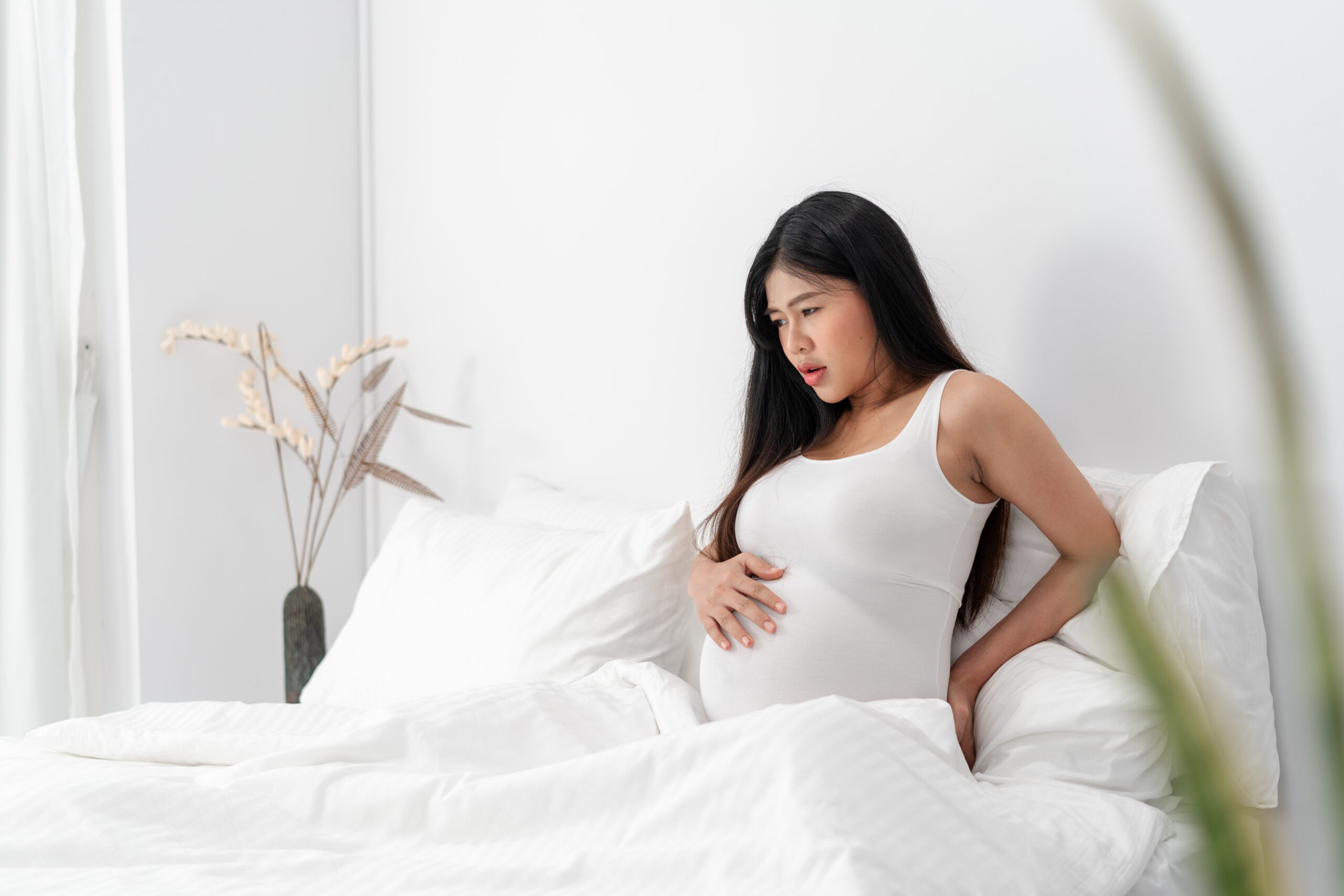
Pregnancy and childbirth are incredible experiences, but they can also place significant physical demands on the body. As your baby grows, changes in posture, weight distribution and joint loading can contribute to discomfort, stiffness and muscular tension.
For some women, these changes can make everyday activities such as walking, sleeping, sitting or lifting increasingly uncomfortable.
At Rugby Osteopathic & Sports Injury Centre, we understand how important it is to feel comfortable, mobile and supported throughout pregnancy and during recovery after childbirth.
Our osteopaths offer personalised assessment, gentle hands-on treatment and practical advice to help manage pregnancy-related musculoskeletal discomfort and support your recovery after birth.
How Does Pregnancy Affect Your Body?
Throughout pregnancy, your body undergoes numerous physical changes to accommodate your growing baby.
As your centre of gravity shifts, your posture and movement patterns naturally adapt. Increased loading through the lower back, pelvis and hips can place additional demands on muscles and joints.
Hormonal changes also influence the tissues supporting your joints, particularly around the pelvis, as your body prepares for childbirth.
While these changes are normal, they can sometimes contribute to pain, stiffness and difficulty with everyday movements.
Common pregnancy-related complaints include:
- Lower back pain and stiffness
- Pelvic girdle pain (PGP)
- Discomfort around the sacroiliac joints
- Hip and buttock pain
- Pubic symphysis discomfort
- Neck, shoulder and upper back tension
- Muscular aches associated with postural changes
- Difficulty finding comfortable sleeping positions
These symptoms can vary considerably between individuals, and some women experience very little discomfort throughout pregnancy.
How Can Osteopathy Help During Pregnancy?
Osteopathy focuses on assessing and treating the muscles, joints and surrounding tissues that contribute to pain and restricted movement.
During pregnancy, osteopathic treatment can be adapted to your stage of pregnancy, symptoms and individual needs.
Your osteopath may use gentle manual therapy techniques, including soft tissue treatment, joint mobilisation and stretching, alongside advice on movement, exercise and posture.
The aim is to help you manage discomfort, maintain mobility and feel more confident carrying out your normal daily activities.
1. Pregnancy-Related Lower Back Pain
Lower back pain is one of the most common musculoskeletal complaints during pregnancy.
As your baby grows, changes in posture and weight distribution can increase the demands placed on the lumbar spine and surrounding muscles.
Osteopathic treatment may help manage associated muscular tension and joint discomfort, while tailored exercises can support strength and mobility.
2. Pelvic Girdle Pain (PGP)
Pelvic girdle pain can affect the joints and muscles around the pelvis, including the sacroiliac joints and pubic symphysis.
Symptoms may be particularly noticeable when walking, climbing stairs, turning over in bed or standing on one leg.
Our osteopaths can assess your movement, identify contributing factors and provide individualised treatment and advice to help manage symptoms.
This may include gentle manual therapy, strengthening exercises and practical strategies for reducing discomfort during everyday activities.
3. Hip and Buttock Discomfort
Changes in movement patterns and the additional demands placed on the pelvis can contribute to tension or discomfort around the hips and buttocks.
Some women also experience pain radiating into the legs, which may require further assessment to establish the cause.
Osteopathic treatment may help address associated muscular and joint discomfort, with exercises designed to improve movement and tolerance to daily activities.
4. Neck, Shoulder and Upper Back Tension
As pregnancy progresses, changes in posture, breast size and sleeping positions can contribute to tension through the neck, shoulders and upper back.
Gentle hands-on treatment, mobility exercises and postural advice may help reduce discomfort and make everyday activities more manageable.
Is Osteopathy Safe During Pregnancy?
Osteopathic treatment can be adapted for pregnant patients, with techniques selected according to your medical history, symptoms and stage of pregnancy.
Your comfort and safety are always our priority.
Treatment positions can be modified to accommodate your growing bump, using additional support where needed.
Before beginning treatment, your osteopath will discuss your pregnancy, relevant medical history and any complications to determine whether treatment is appropriate.
Certain symptoms may require assessment by your midwife, GP or maternity team before osteopathic treatment.
Osteopathy After Childbirth: Supporting Postnatal Recovery
The physical demands on your body don’t end once your baby arrives.
Whether you have experienced a vaginal delivery or caesarean section, your body continues to adapt and recover during the weeks and months following childbirth.
Feeding, carrying, lifting and settling your baby can also introduce new physical demands, particularly through the back, neck, shoulders and wrists.
Postnatal osteopathy focuses on helping you manage musculoskeletal discomfort, restore confidence in movement and support a gradual return to everyday activities.
Common Postnatal Problems Osteopathy May Help With
1. Lower Back and Pelvic Pain
Some women continue to experience lower back or pelvic discomfort after childbirth.
This may be associated with ongoing muscular weakness, altered movement patterns, physical demands or symptoms that developed during pregnancy.
Your osteopath can assess these contributing factors and provide treatment, exercise guidance and advice to support your recovery.
2. Neck and Shoulder Pain from Feeding
Breastfeeding and bottle feeding can involve prolonged periods in positions that place additional strain on the neck, shoulders and upper back.
Repeatedly looking down, supporting your baby or remaining in one position can contribute to muscular tension.
Osteopathic treatment, combined with feeding-position advice and gentle exercises, may help manage this discomfort.
3. Wrist and Hand Pain
New parents frequently develop wrist or thumb discomfort associated with repeatedly lifting, carrying and supporting their baby.
Conditions such as De Quervain’s tenosynovitis can cause pain around the base of the thumb and wrist.
Our osteopaths can assess these symptoms and provide appropriate management advice, exercises and referral where necessary.
4. Abdominal and Core Weakness
Pregnancy naturally stretches the abdominal wall, and some women experience a persistent separation of the abdominal muscles, known as diastasis recti.
Following childbirth, rebuilding abdominal strength and improving tolerance to physical activity can be an important part of recovery.
Although hands-on osteopathy does not directly repair abdominal separation, your osteopath can assess your movement and help guide suitable strengthening exercises or refer you to a specialist when appropriate.
5. Discomfort Following a Caesarean Section
Recovery from a caesarean birth involves healing after abdominal surgery.
Once healing is sufficiently established and treatment is medically appropriate, osteopathic care may help address associated back pain, muscular tension and movement-related discomfort.
Your osteopath can also offer advice on gradually returning to activity, while respecting your surgical recovery.
6. Returning to Exercise After Pregnancy
Returning to exercise after childbirth should be gradual and tailored to your recovery.
Whether your goal is to return to walking, running, the gym or your favourite sport, our team can help assess your movement, strength and any ongoing musculoskeletal symptoms.
We can provide practical advice and progressive rehabilitation exercises to help you rebuild confidence and return to the activities you enjoy.
When Can You Have Osteopathic Treatment After Giving Birth?
There is no single timeframe that is appropriate for everyone.
Some women seek advice within the first few weeks after childbirth, while others attend several months later when they begin returning to exercise or experience discomfort from caring for their baby.
The appropriate timing depends on your symptoms, type of delivery, healing and any medical complications.
Your osteopath will assess your individual circumstances and adapt treatment accordingly.
What to Expect at Your Appointment
At Rugby Osteopathic & Sports Injury Centre, we understand that every pregnancy and postnatal recovery is different.
Your initial appointment will include a discussion about your symptoms, medical history, pregnancy or birth experience, and any activities you are finding difficult.
We will then carry out an appropriate musculoskeletal assessment to better understand the factors contributing to your discomfort.
Depending on your needs, your treatment plan may include:
- Gentle osteopathic manual therapy
- Soft tissue techniques to address muscular tension
- Joint mobilisation where appropriate
- Advice on posture, lifting and feeding positions
- Individualised mobility and strengthening exercises
- Guidance on returning to normal activities and exercise
Our approach is always tailored to you, with an emphasis on comfort, education and helping you manage your symptoms.
Supporting You Throughout Pregnancy and Beyond
Pregnancy and the postnatal period can be physically demanding, but persistent discomfort doesn’t have to be something you simply put up with.
Whether you’re experiencing pregnancy-related back pain, pelvic discomfort, feeding-related neck tension or difficulties returning to exercise after childbirth, seeking an appropriate assessment can help you understand your symptoms and explore your treatment options.
At Rugby Osteopathic & Sports Injury Centre, our team is here to support you through these important stages of life.
Looking for Pregnancy or Postnatal Osteopathy in Rugby?
If you’re pregnant, have recently given birth or are experiencing ongoing musculoskeletal discomfort following pregnancy, our friendly team would be happy to help.
Contact Rugby Osteopathic & Sports Injury Centre to discuss your symptoms or book an initial consultation with one of our osteopaths.
Book your appointment today: www.rugbyosteopaths.co.uk