
Paediatric Osteopathy in Rugby: A Guide for Parents – Rugby Osteopaths
When you have concerns about your baby’s comfort or movement, you want someone who will listen carefully, take your questions seriously and explain things clearly.
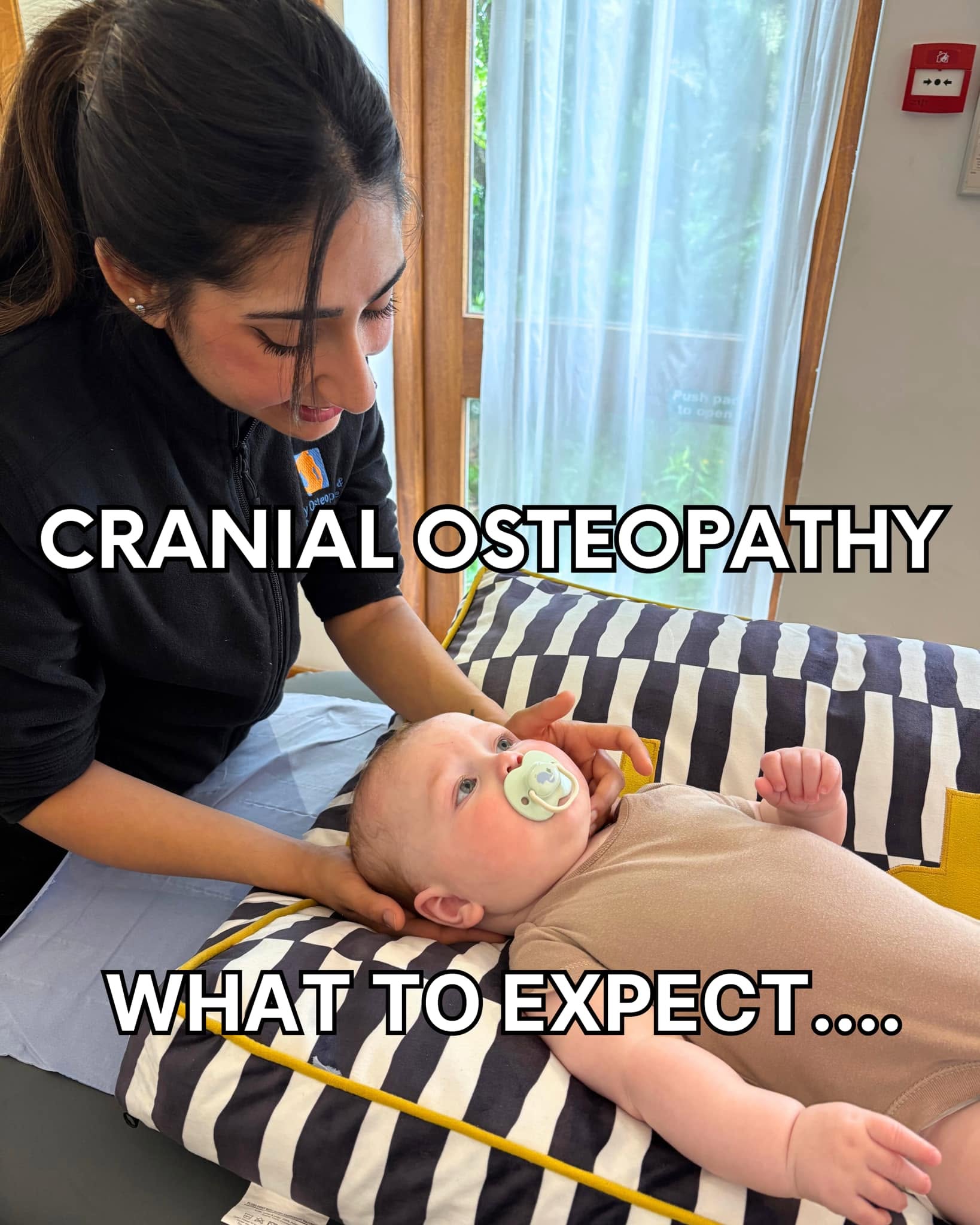
At Rugby Osteopathic & Sports Injury Centre, we offer paediatric osteopathy appointments with an individual approach to your child’s care. We take time to understand your concerns, assess your child and discuss whether osteopathic treatment is appropriate.
In this guide, we explain why parents may seek an appointment, what an assessment involves and how we approach care for babies and children.
What is paediatric osteopathy?
Paediatric osteopathy is osteopathic care adapted to babies and children. It considers your child’s medical history, development and movement, alongside the concerns that brought you to the appointment.
Children’s needs differ from those of adults, so assessment and any proposed treatment must reflect their age and stage of development.
An appointment does not automatically lead to treatment. The first step is to understand what is happening and establish the most appropriate next steps.
Why might you consider an osteopathic assessment for your baby?
1. Tension Following Birth
The journey into the world can place considerable physical demands on a baby’s body. Whether delivery was particularly quick, prolonged or involved assistance with forceps or ventouse, parents may notice that their baby appears uncomfortable or has a preference for certain positions.
Gentle osteopathic techniques aim to support comfortable movement and address areas of muscular tension or restricted mobility identified during assessment.
2. Difficulties with Feeding
Some babies experience challenges with breastfeeding or bottle feeding, including difficulty latching, frequently breaking their latch, favouring one feeding position or appearing unsettled during feeds.
An osteopath can assess movement around the neck and jaw, explore whether positioning may be contributing to discomfort and provide appropriate advice alongside specialist feeding support where needed.
3. Colic, Restlessness and Difficulty Settling
Frequent crying, unsettled periods, disrupted sleep and digestive discomfort can be challenging for babies and their parents.
Some families explore cranial osteopathy as a gentle, hands-on approach to supporting their baby’s comfort and relaxation. Parents sometimes report improvements in settling and general comfort following treatment, although evidence that osteopathy directly improves colic, reflux or sleep remains limited.
4. Preference for Turning the Head One Way
Have you noticed your baby consistently looking in one direction or appearing reluctant to turn their head the other way?
This can sometimes be associated with muscular tightness, positional preferences or restricted neck movement. It may also contribute to the development of flattening on one side of the head, known as positional plagiocephaly.
Osteopathic assessment can help identify movement restrictions, with gentle treatment considered where appropriate and practical advice offered on positioning, tummy time and encouraging movement in both directions.
5. Supporting Your Baby’s Comfort and Movement
You don’t need to wait until your baby appears uncomfortable to arrange an osteopathic consultation.
Many parents choose to have their baby assessed following birth for reassurance about their movement, physical comfort and early development.
Our osteopaths take time to understand your baby’s birth history, observe how they move and offer individualised advice to help support their comfort as they grow.
What happens at your baby’s first appointment?
We begin by asking about your concerns and your baby’s health. This may include pregnancy and birth history, development, previous medical assessments and what you have noticed at home.
Bring your baby’s personal child health record—the “red book”—and details of any relevant medical care if available.
An assessment explained to you
Your osteopath will explain the proposed examination and ask for your consent. Depending on your concerns, this may involve observing your baby’s movements and examining relevant muscles and joints.
You remain involved throughout and can ask questions or request a break at any point.
Clear advice about the next steps
After the assessment, your osteopath will discuss the findings, any uncertainties and the options available.
If treatment is appropriate, we will explain its aims, potential benefits, risks and alternatives. If another professional is better placed to help, we will explain why.
Does my baby need a course of treatment?
There is no standard number of appointments that every baby needs.
Any recommendation for further care should be based on the assessment, have a clear purpose and be reviewed against your baby’s progress. Your osteopath will discuss this with you rather than assuming that ongoing appointments are required.
Paediatric osteopathy at Rugby Osteopathic & Sports Injury Centre
Choosing care for your child is a personal decision. We want you to feel informed, listened to and comfortable asking questions.
If you have concerns about your baby’s movement or would like to find out whether an osteopathic assessment is appropriate, contact Rugby Osteopathic & Sports Injury Centre. Please mention your child’s age and your main concern so our team can advise on the appropriate appointment.
Visit www.rugbyosteopaths.co.uk to get in touch.
If your baby seems acutely unwell, seek medical advice promptly rather than waiting for an osteopathy appointment.